

More About Iron – Facts, Deficiency and Absorption
Here you’ll find more information about iron and iron deficiency in women – including symptoms, requirements, and how to support the body’s iron absorption through diet and informed choices.
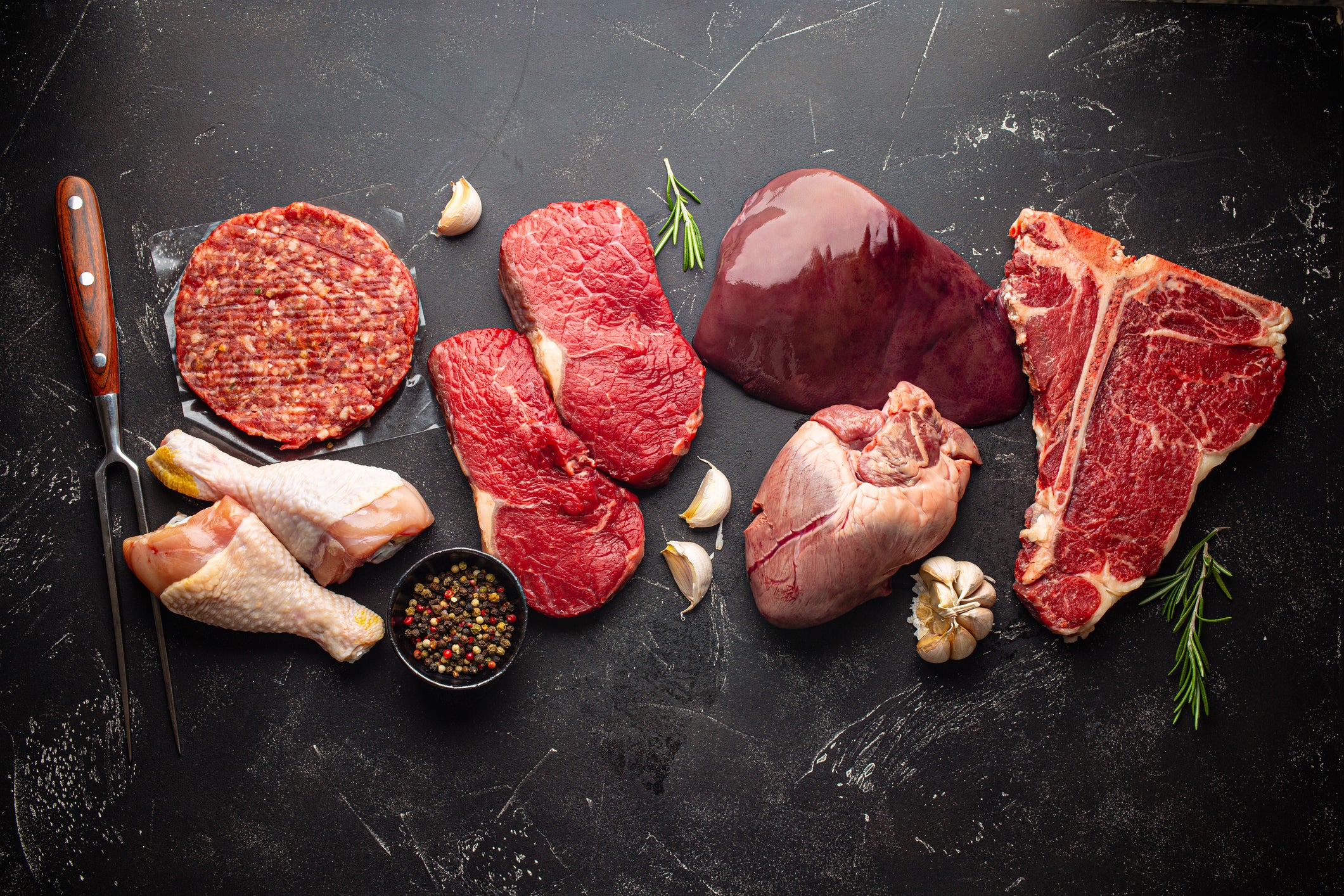
Heme iron is a unique form of iron found only in animal-based foods, primarily meat, organ meats, blood-based foods, and shellfish. It is bound within a structure known as a porphyrin ring - a protective organic compound that surrounds the iron atom.
This structure makes heme iron stable and means it is largely unaffected by other components of the diet.
Feméa is intended for women of reproductive age, but can be used by anyone who wants to enrich their diet with natural heme iron.
Iron supplements may be appropriate during periods of increased need, such as pregnancy, breastfeeding, heavy menstrual bleeding, intense physical activity, or after blood donation. If you are pregnant or breastfeeding, you should always consult a midwife or obstetrician before use.
Heme iron always comes from animal sources and is absorbed significantly more efficiently by the body than so-called non-heme iron, which is found in plant-based and synthetic sources in various forms.
Studies have shown that heme iron has high bioavailability and is generally gentle on the stomach. Its absorption occurs through a unique uptake mechanism - likely involving Heme Carrier Protein 1 (HCP1) - which distinguishes it from all other forms of iron.
There is currently no certified organic production of hemoglobin powder within the EU. The raw material is therefore sourced from approved cattle farms that meet strict quality and safety requirements, regardless of whether the farms are organic or conventional.
We still support high standards of animal welfare and hope that dedicated organic production will become possible in the future.
The lack of organic certification does not affect quality. The hemoglobin powder is produced under one of the EU’s strictest food safety frameworks and is rigorously tested for pathogens, pesticides, heavy metals, antibiotics, hormones, and other contaminants.
When handled correctly, blood is essentially sterile, resulting in an exceptionally pure raw material. For this specific ingredient, organic production does not lead to a higher-quality end product.
Feméa heme iron powder can be mixed into many everyday foods, such as smoothies, porridge, banana pancakes, homemade bread and rolls, seed and nut crackers, raw balls, and nice cream to name a few examples.