forskning_om_hemjarn.jpg

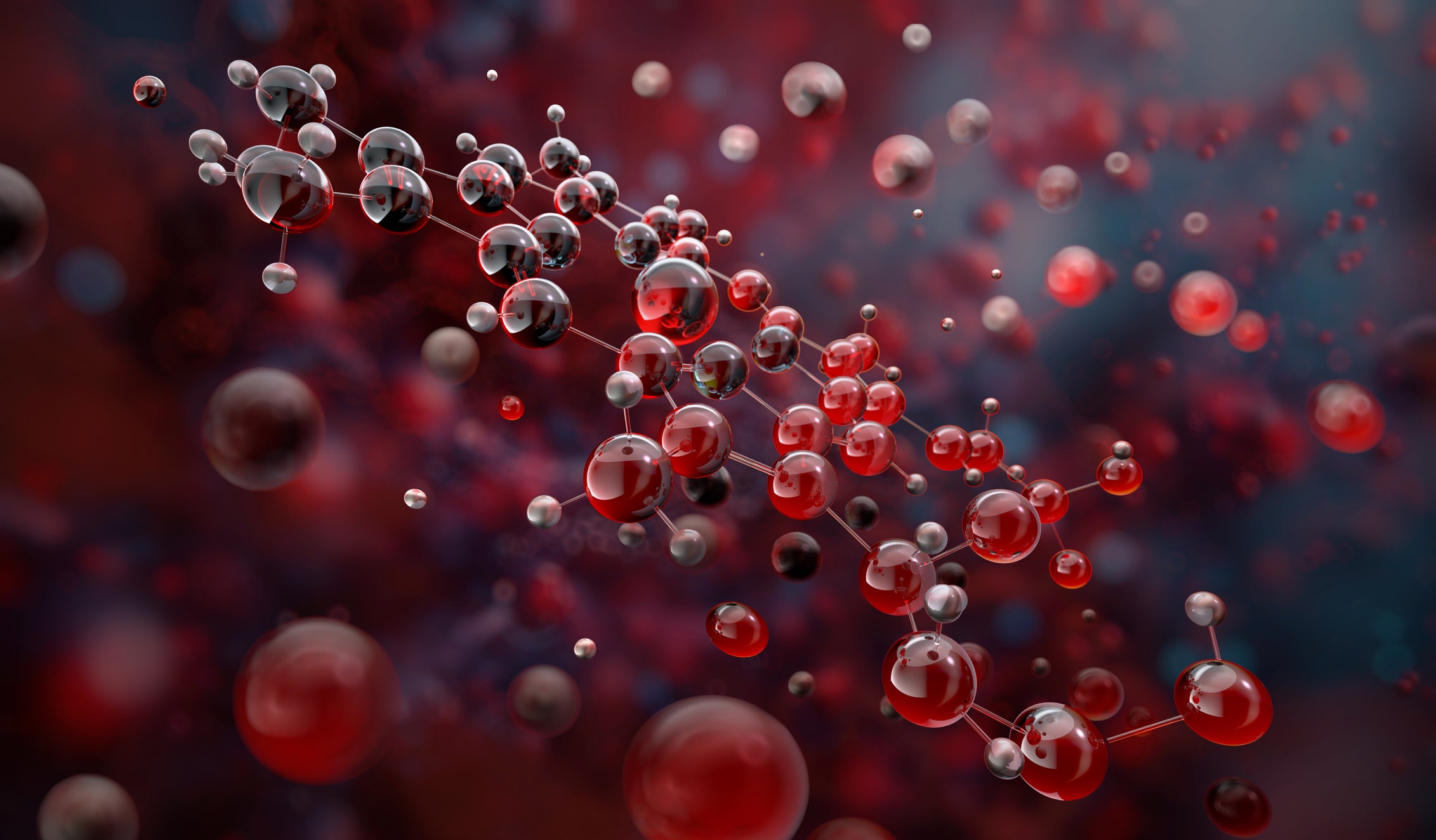
What Is Heme Iron?

Heme and Non-Heme

Iron exists in many forms, ranging from naturally occurring iron in animal- and plant-based foods to various synthetic iron compounds used in traditional iron supplements.

However, iron from both foods and supplements can broadly be classified into two main categories: heme iron and non-heme iron.
iStock-1310910433.jpg

Heme Iron, Natural & Animal-Based

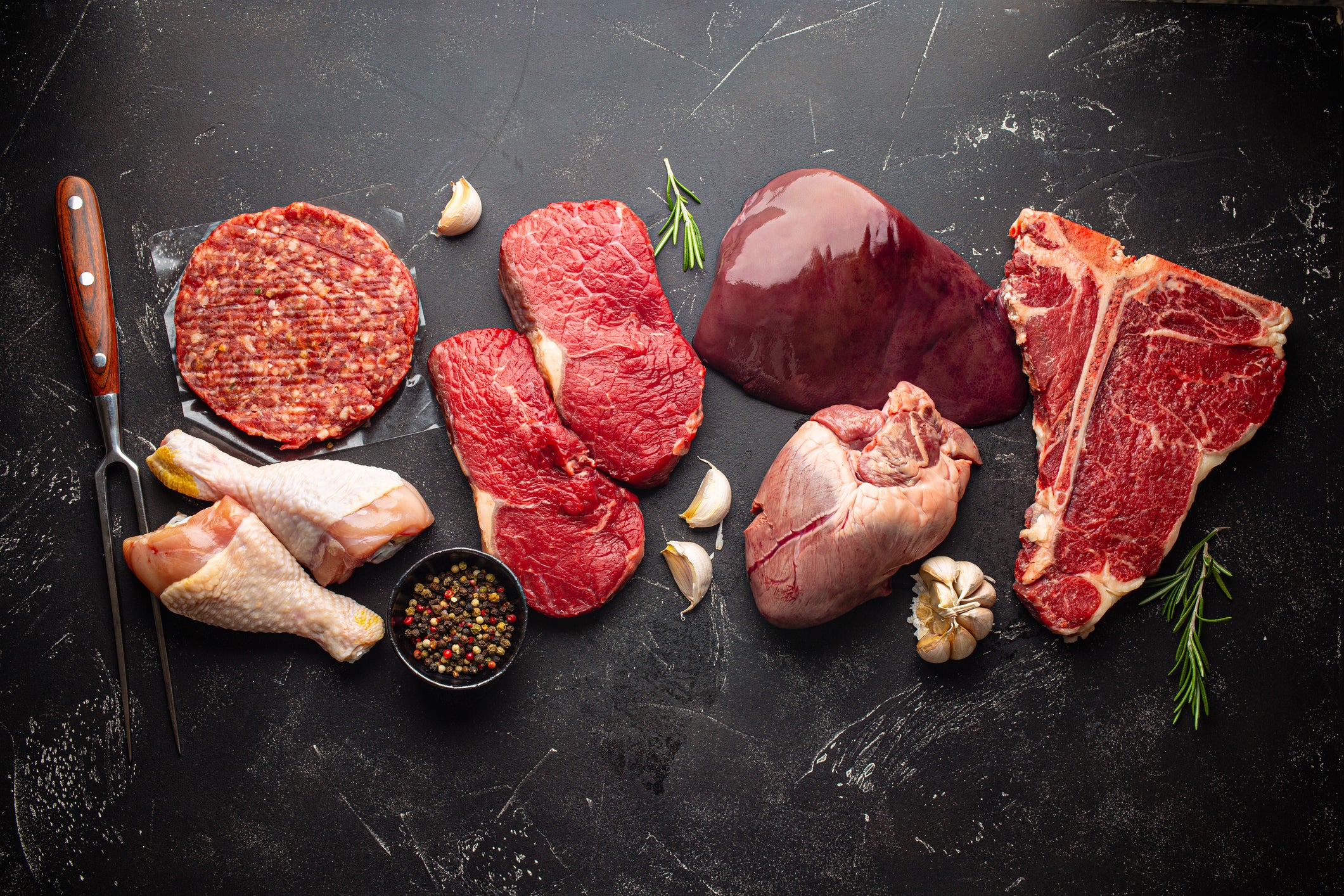
Heme iron is a unique form of iron found exclusively in animal-based foods, primarily meat, organ meats, and shellfish.

It is bound within a structure known as a porphyrin ring - a protective organic compound that surrounds the iron atom. This structure makes heme iron stable and generally shields it from interactions with other substances in the diet.

The unique structure of heme iron also contributes to its more efficient absorption in the body.

Unlike dietary non-heme iron, heme iron does not need to be converted in the stomach before absorption. Instead, it is absorbed directly in the small intestine, within the enterocytes, via a unique uptake mechanism - likely involving, among other factors, a transport protein known as HCP1 (heme carrier protein 1).

Studies show that heme iron is generally a gentle source of iron with high bioavailability (15-35%).

In comparison, non-heme iron is absorbed to a much lower extent, meaning heme iron is typically absorbed several times more efficiently.

iStock-1215180613.jpg

Non-Heme Iron:
Plant-Based & Synthetic Iron

Non-heme iron lacks the protective structure found in heme iron.

It primarily occurs in two forms: trivalent iron (Fe³⁺) and divalent iron (Fe²⁺), but only the divalent form can be absorbed by the body. Trivalent iron must first be converted in the stomach before absorption can occur, and even divalent iron is absorbed only to a limited extent and is strongly influenced by other substances in the diet.

Absorption takes place in the small intestine via the transport protein DMT1 (divalent metal transporter 1). Overall absorption is generally low and less predictable, as it is affected by a wide range of dietary factors.

Iron that is not absorbed remains in the intestine, where it may irritate the intestinal mucosa and contribute to gastrointestinal side effects such as constipation, nausea, diarrhoea, or abdominal discomfort - effects that are unfortunately well known with many iron supplements.

iStock-1190649192.jpg

Inhibited Iron & Heme Iron

Non-heme iron is sensitive to various dietary factors that can reduce the body’s ability to absorb it.

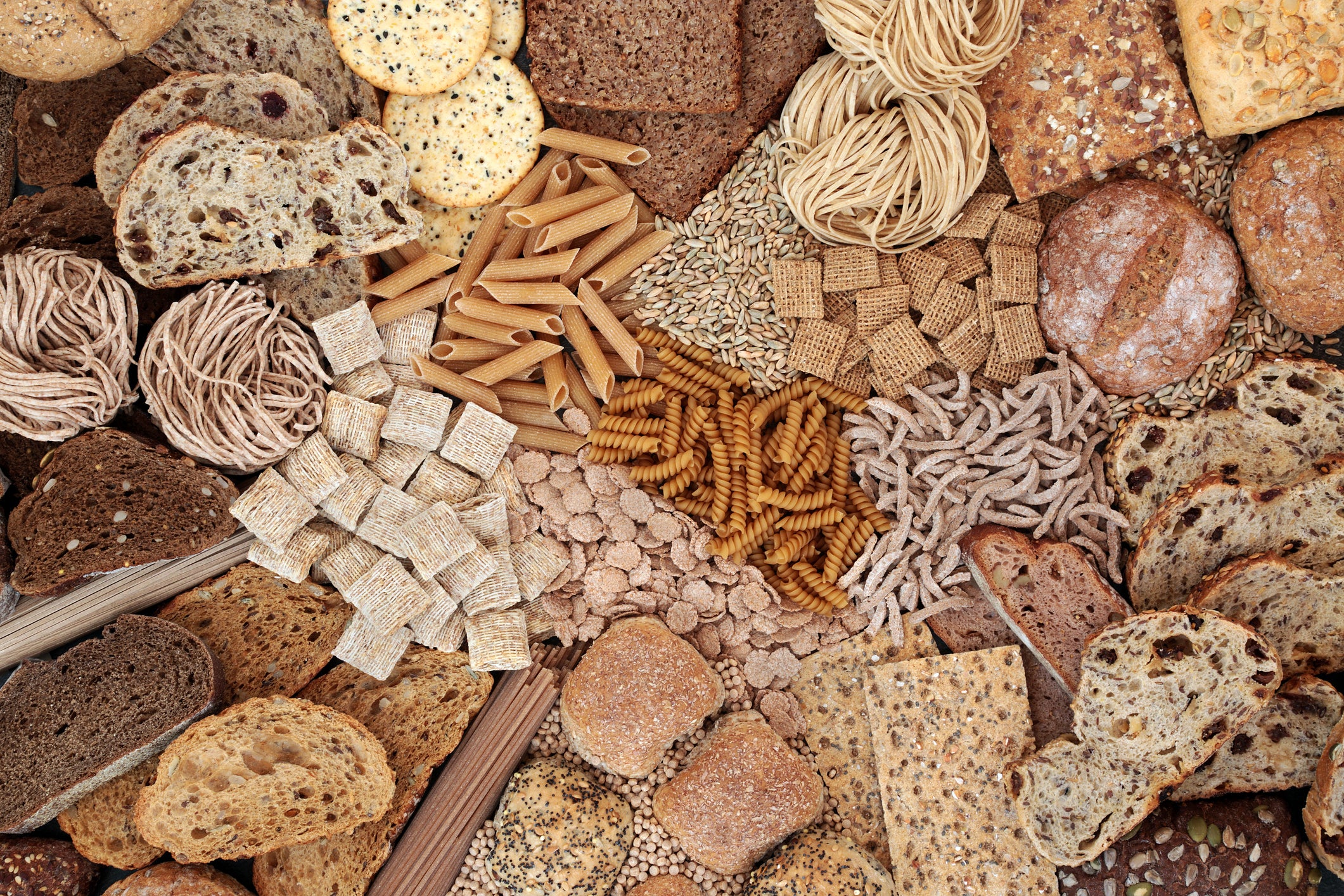
One such factor is phytic acid, which occurs naturally in foods such as pasta, bread, and other grain products (particularly whole grains), as well as in legumes, nuts, and seeds. Phytic acid can bind to iron, making it more difficult for the body to absorb.

Polyphenols -
a group of antioxidant compounds, including tannins in tea and coffee and flavonoids found in cocoa, wine, and certain berries such as blueberries - have also been shown to significantly inhibit the absorption of non-heme iron.

As a result, even a high iron intake may lead to relatively low iron absorption.

Heme iron is not affected by these dietary factors and is absorbed efficiently regardless,
making it a clear advantage for individuals whose diets contain substances that otherwise inhibit iron absorption.

iStock-2035449690.jpg

Does Vitamin C Boost Iron Absorption?

To increase iron absorption, it is often recommended to combine iron with vitamin C. However, this only applies to non-heme iron.

In this case, vitamin C can help convert ferric iron (Fe³⁺) into ferrous iron (Fe²⁺), making it more soluble and therefore easier for the body to absorb. Even with vitamin C, absorption remains relatively low, and gastrointestinal side effects are common - especially at higher doses of synthetic iron.

Heme iron
, on the other hand, is bound within its porphyrin ring, which protects the iron and allows it to be absorbed through a unique uptake mechanism. Because heme iron does not need to be converted in the stomach before absorption, vitamin C is not required in heme iron absorption.

So the answer is yes - but not always. It depends on the type of iron you choose.

How Much Heme Iron Is Absorbed?

Heme iron is generally attributed an absorption rate of around 15–35%, which is significantly higher than that of non-heme iron, which is often absorbed at only 1–10%, depending on the type of iron and other dietary factors.

This makes heme iron a particularly valuable source of iron for people with increased iron needs - such as children, adolescents, menstruating women, pregnant women, athletes, or individuals with iron deficiency.

iStock-1337307092.jpg

Calcium & Heme Iron

Foods generally do not affect the absorption of heme iron - calcium is the main exception.

Research shows that high amounts of calcium in a meal can reduce the absorption of heme iron. For non-heme iron, calcium has an early and clearly inhibitory effect.

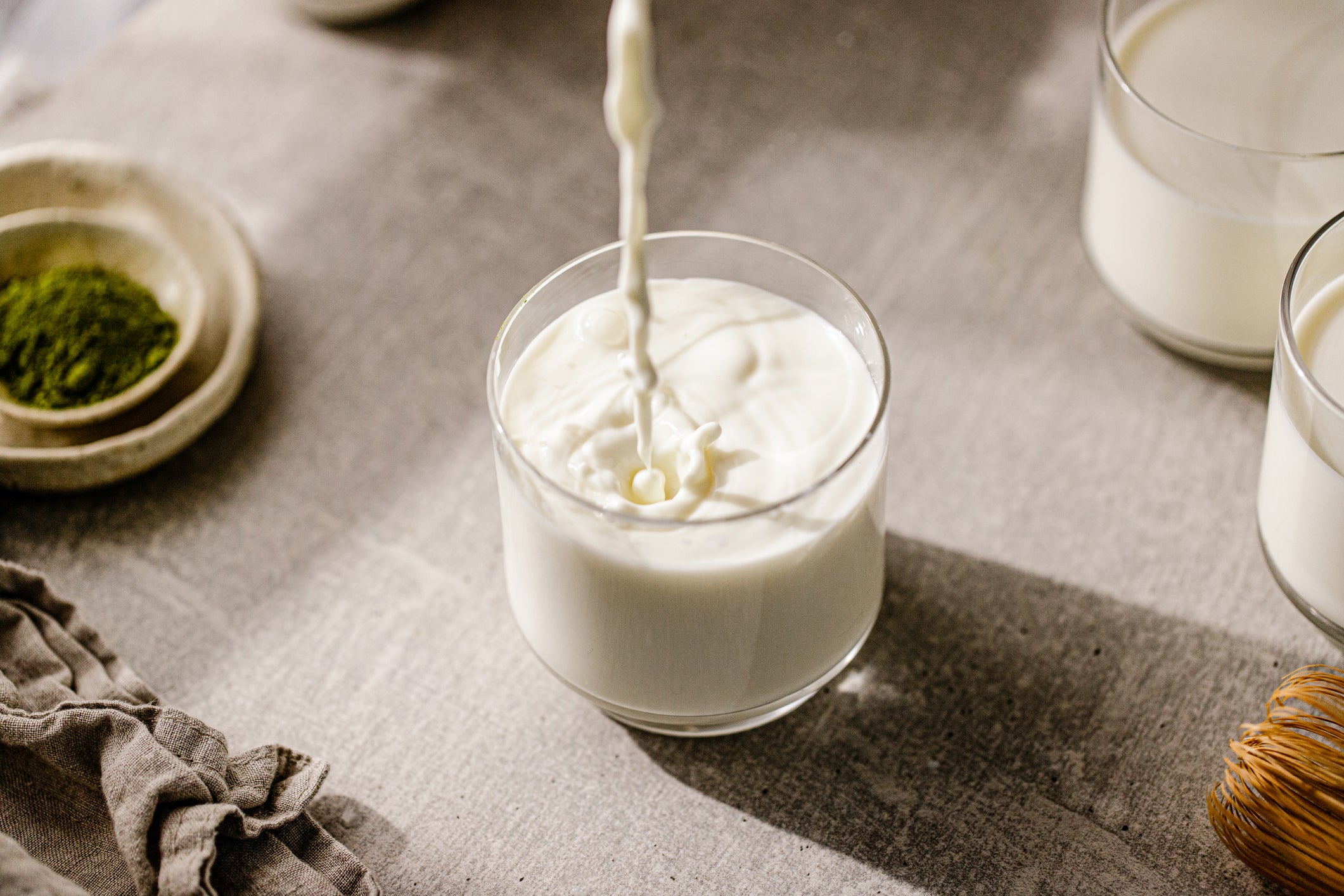
Although the inhibitory effect on heme iron is less pronounced than for non-heme iron, Swedish studies have shown that calcium intakes of around 165 mg or more (approximately 1.5 dl of milk) can significantly inhibit heme iron absorption as well.

250321miniferrum_lisawikstrand111_low.jpg

Why Choose Heme Iron?

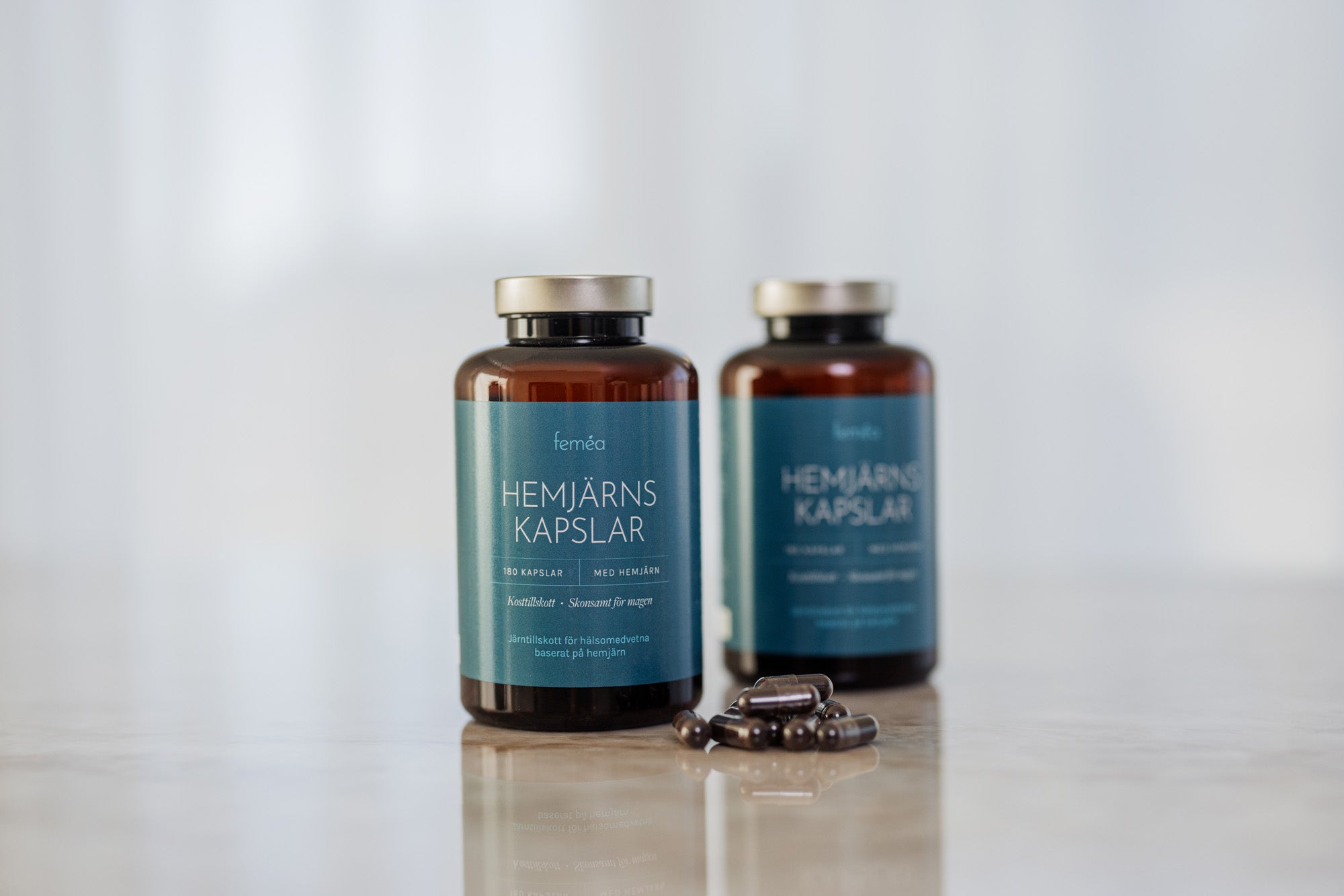
Heme iron is the form of iron the body is best adapted to absorb, giving it a higher bioavailability than any other known iron source.

Heme iron has been a natural part of the human diet since ancient times and is known to be gentle on the stomach. Unlike many high-dose synthetic iron sources, it rarely causes gastrointestinal side effects such as nausea, constipation, or diarrhea.

Several studies show that heme iron–based interventions, in the form of specially developed iron-enriched foods, can significantly improve iron status while remaining gentle on the stomach.

Diets enriched with heme iron have been highlighted by multiple researchers as having strong potential to support healthy iron levels in both children and women.

You can read more about the scientific basis behind our product development below.